Questions to Answer Before Ordering an Illuminated Sign
Prepare an illuminated-sign quote with day and night site photos, size, viewing point, lighting effect, artwork, power, access and installation details.
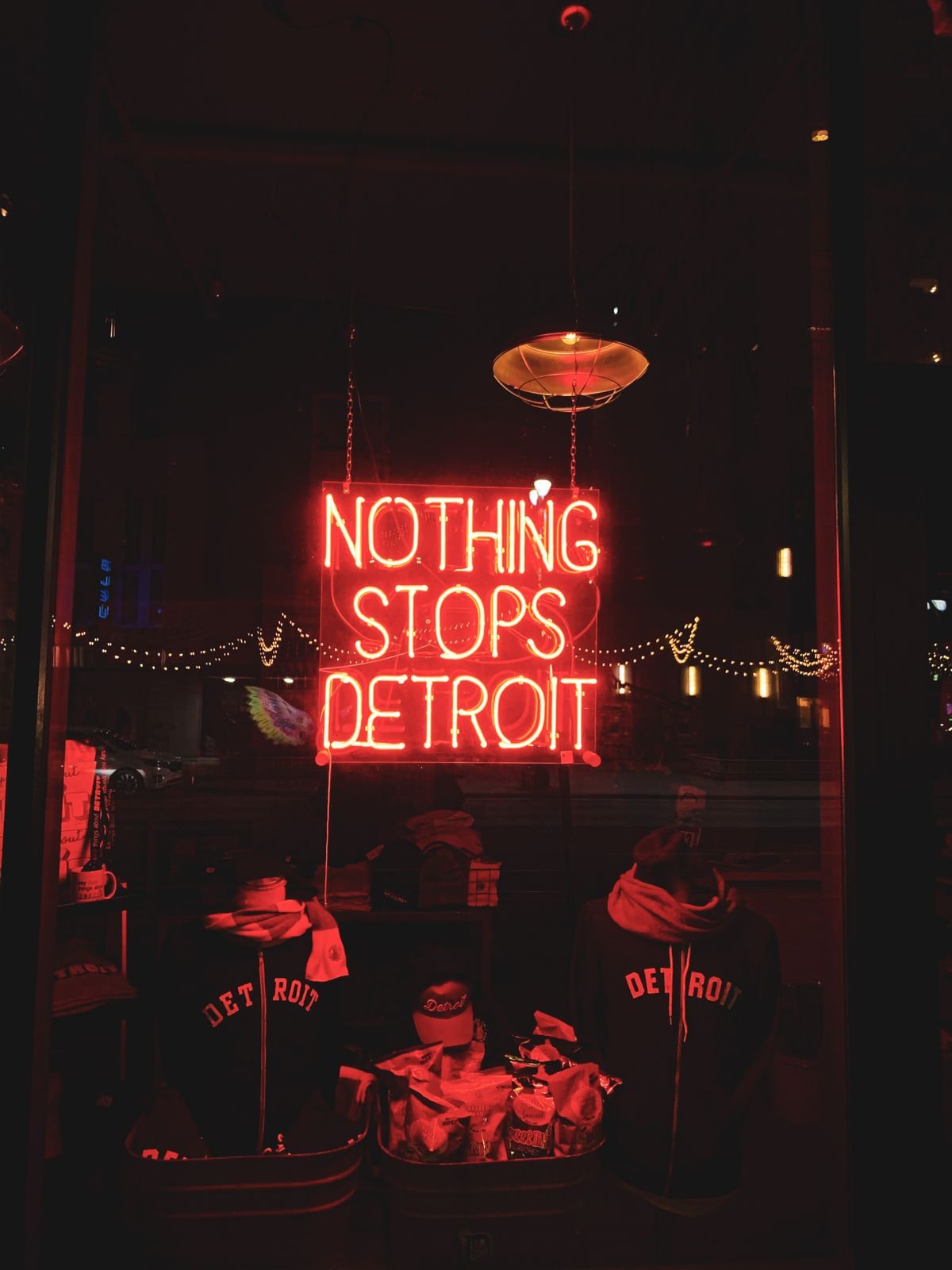
A sign that looks clear in a close-up artwork preview can behave very differently on a real shopfront after dark.
Before asking for a quote, gather the site view, approximate dimensions, preferred lighting effect, electrical access, installation constraints and artwork. That gives the sign maker enough context to recommend a practical construction instead of guessing from a logo alone.
Before ordering an illuminated sign, decide where it will be seen from, what must remain readable, when it needs to light up and what the installation site allows. Send wide day and night photos, approximate width and height, the logo or wording, preferred effect, wall details, electrical information, access limits and required date. Final construction, installation, price and timing remain job-specific.
What matters most
- Start with the viewing situation, not the lighting label.
- Separate the must-read message from decorative detail.
- Show the full wall, nearby lights and normal approach in photos.
- Treat power, access and approvals as site questions, not assumptions.
- Compare the quotation by confirmed scope, not by the word LED.
What should the sign achieve, and where will people see it from?
Write one primary job for the sign. A shopfront sign may need to identify the business from the road. A reception sign may need a softer illuminated logo at close range. A feature sign may prioritise atmosphere over long-distance reading.
This decision affects the layout. If people must recognise the business while moving past the building, the name or key identifier needs priority. Fine taglines, phone numbers and social handles may look complete on screen but compete with the main message once the sign is viewed at distance.
Take a wide photo from each normal approach: across the road, from the car park, along the footpath and near the entrance where relevant. Mark the approximate sign position on one copy. Include obstructions such as awnings, trees, columns and neighbouring signs.
Record whether the typical reader is standing, walking or travelling in a vehicle. Do not choose a final letter size from this article alone. Use the real viewing distance and site measurements, then check the proof at a representative scale. Seri Jadi’s related guide explains how viewing distance changes sign-letter planning.
What happens around the sign at night, and which lighting effect do you mean?
Send at least one night photo from the same viewing point as the daytime photo. Show streetlights, floodlights, bright windows and nearby illuminated signs. These surroundings affect how much contrast the sign needs and whether a lighting effect feels clear or lost.
State the intended operating period, but do not assume automatic switching, timers or controls are included. Those items, their location and the party responsible should be written into the quote when required.
LED sign can describe several results. Instead of relying on the label, show a reference and describe what should glow. The reference is for communicating an effect, not copying another company’s sign. Final materials, depth, light source, colour, finish and mounting are confirmed for the project.
- A bright sign face: I want the main panel or face illuminated.
- Individual lit letters: I want the letters or logo elements to light.
- A halo around raised letters: I want light cast behind the letters onto the wall.
- A continuous glowing line: I want a neon-style line effect for this logo or wording.
What are the wall, mounting surface and electrical conditions?
Photograph the full elevation and the area close to the proposed mounting point. Note whether it appears to be a fascia, masonry wall, cladding, glass, an existing frame or another surface. Mention any landlord or building-management restrictions already known.
Do not guess the fixing method or structural capacity. The responsible party must verify the real substrate, support, access and installation requirements before production. If an old sign will be removed, include it in the photos and ask whether removal, disposal and making good are part of the quotation.
Say whether a power point or cable route exists near the proposed sign and include a photo if it can be shown safely. Record who controls that circuit and whether access requires the landlord, building management or another contractor.
Do not open panels, touch wiring or provide electrical instructions in the brief. Electrical connection, isolation, weather exposure, controls and responsibility must be assessed and stated by the appropriate party for the actual site.
What artwork, colours and installation access are ready?
Send the best logo file available, the exact business name and any approved brand-colour references. Vector artwork is useful when available because it can be scaled and separated into production elements, but Seri Jadi should inspect the supplied files before confirming what is usable.
For small text, check spelling, registration details and contact information carefully. Also decide whether every element truly needs illumination. A cleaner hierarchy can make the main identity easier to recognise.
Mention the installation height, parking or loading restrictions, working-hour limits, access cards, security procedures and whether equipment can approach the wall. Photos from the ground should show the full route to the mounting area.
These details do not confirm an installation method. They help identify what must be inspected, quoted or coordinated. Installation scope, access equipment, site protection, removal of an old sign and electrical work should not be assumed unless written into the confirmed quotation.
Which approvals and timing dependencies apply?
Ask the landlord, building management or relevant authority what drawings, permissions or conditions apply to the site. Do not treat a design proof or production quote as regulatory approval. The customer or responsible project party should identify the approvals that govern the premises.
Give the actual required date and work backwards through artwork approval, site confirmation, production and installation planning. Seri Jadi confirms timing for the individual job; this guide does not promise a standard turnaround.
Worked example: turn a vague request into a usable brief
A vague message might say: Need LED sign, about 12 feet, same as logo.
A more useful generic brief would say: Shopfront fascia at the address or postcode supplied separately. Approximate available area: 3.6 m wide × 0.9 m high, to be verified. The business name must be readable from the opposite side of the access road. We prefer individually lit letters, but would like the suitable construction confirmed.
Day and night approach photos, wall close-up and logo PDF are attached. Existing electrical access, landlord requirements, removal work and installation access need checking. Required date: ____. Please state artwork, production, installation and electrical scope separately.
This is a planning example, not a Seri Jadi customer or completed project.
Copy-and-send illuminated-sign brief
Send the completed brief to Seri Jadi’s signage team in Sungai Petani. The quote should confirm dimensions, construction, finish, lighting effect, artwork, installation, electrical responsibility, removal work, price, timing and fulfilment for that job.
- Site address or postcode.
- Sign purpose and main viewing position.
- Approximate available width × height.
- Exact wording and logo files.
- What should glow: face, letters, halo, line effect or not sure.
- Preferred light colour or brand reference.
- Day and night approach photos, wall close-up and existing-sign photos.
- Known power point, cable route or controls.
- Installation height, access restrictions and known approval requirements.
- Old-sign removal, artwork status and required date.
Frequently asked questions
Do I need a night photo before requesting an illuminated-sign quote?
It is useful because it shows surrounding lights, bright windows and other signs from the normal viewing position. Pair it with a daytime photo and approximate measurements. A photo supports the brief but does not replace verified site dimensions or assessment.
Is every LED sign built the same way?
No. The term may refer to a lit face, illuminated letters, halo lighting or a neon-style line effect. Describe what should glow and share a reference. The final materials, depth, mounting, power arrangement and installation scope must be confirmed for the project.
What should be included in an illuminated-sign quotation?
Ask for the confirmed dimensions, construction, finish, lighting effect, artwork scope, mounting, installation, electrical responsibility, old-sign removal if needed, price and expected schedule. If an item is important, do not assume it is included unless the quotation states it.
Sources consulted
Sources support the general guidance; the final choice still depends on the actual job.
Send Seri Jadi the site address or postcode, day and night photos, approximate size, exact wording, logo file, preferred lighting effect, wall and access details, artwork status and required date for a project-specific signage quotation.
WhatsApp +60 10-451 8088